
Can a Chimney Liner Be Repaired?
Yes, a chimney liner can be repaired when the damage is limited and the rest of the liner is in suitable condition. An inspection helps show whether repair is appropriate or relining is needed.
Need help now? (612) 806-0154
Can a Chimney Liner Be Repaired, or Does It Need Relining?
A liner may be repairable when the damage is limited and the surrounding liner remains sound. If the damage is extensive, appears in several areas, or affects the liner’s ability to safely vent the appliance, relining or replacement may be the better option. An inspection is needed to tell these situations apart; a visible crack or rust mark alone does not show the full condition of the flue.
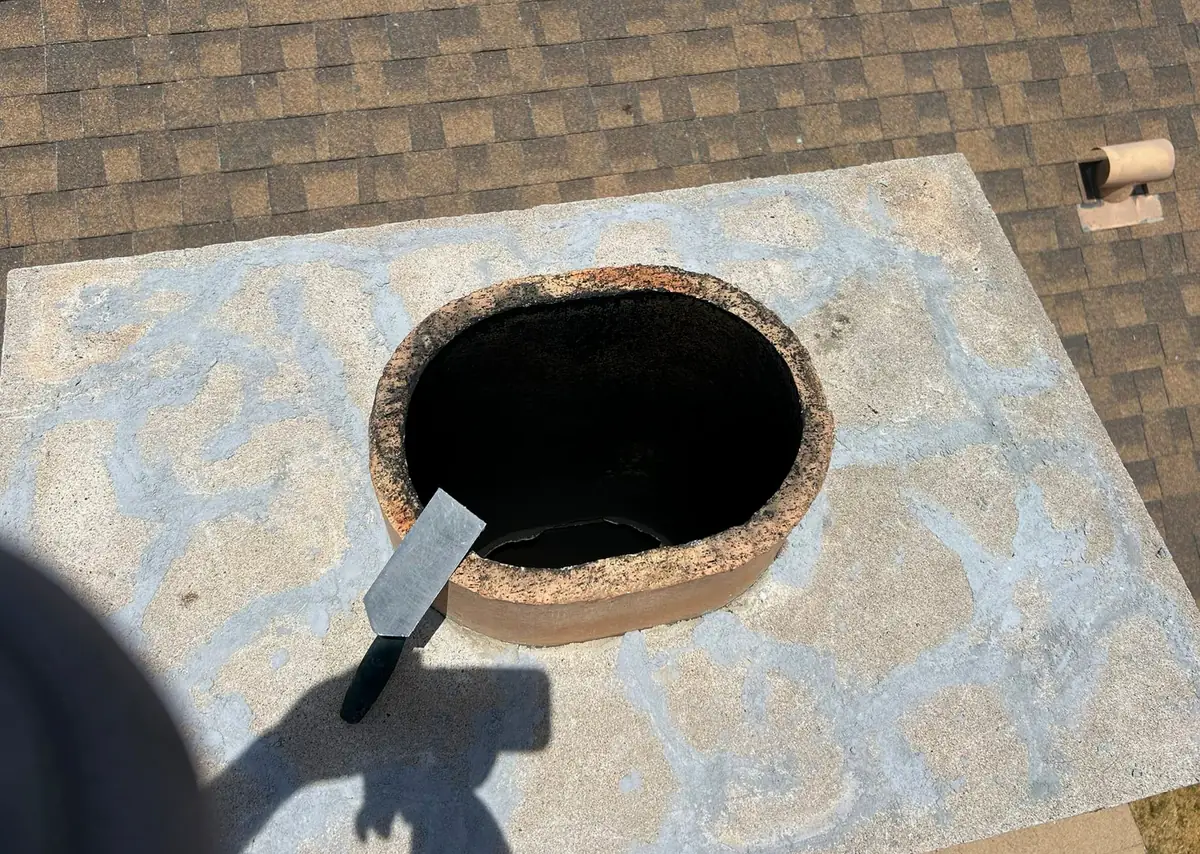
The liner’s type, the location of the damage, and the appliance it serves all matter. A masonry chimney with a clay tile liner, for example, is not assessed the same way as a metal liner. A chimney professional can inspect the accessible areas and determine whether a closer look inside the flue is needed.
A Level 2 inspection is recommended in situations such as relining, and the CSIA Level 2 inspection procedure calls for a video scan. That scan can show the interior condition of a masonry flue beyond what is visible from the firebox.
Which Chimney Liner Signs Deserve a Professional Check?
A sign is a reason to stop and investigate, not a diagnosis. Don’t use the fireplace when you see loose material in the firebox or suspect the liner is damaged; a professional inspection can establish what the debris or visible change means.
- Cracked or missing liner material — Visible gaps, cracks, or pieces of clay tile in the firebox can point to damage inside the flue. Avoid handling the pieces or trying to patch the liner yourself.
- Rust or corrosion on a metal liner — Rust is a reason to have the liner checked, especially if you also notice water entering the chimney or changes in fireplace operation. The visible area may not show how far the corrosion extends.
- Smoke entering the room — Smoke that spills into the living space can have more than one cause, including a problem with venting. Stop using the appliance until the cause is assessed rather than assuming a liner repair will solve it.
- A change after chimney work or an event — A new appliance, relining work, a chimney fire, or severe weather can make a more thorough inspection appropriate. Tell the sweep what changed and when you first noticed it.
Which Chimney Liner Option Fits the Damage?
The right choice depends on what an inspection finds, not just on the symptom you noticed. These options describe the decision a sweep makes after assessing the liner and its use.
Repair the existing liner
This fits a limited, clearly identified defect when the rest of the liner is in suitable condition. The repair method depends on the liner material and the location and extent of the damage.
Install a new liner or reline the flue
This may be appropriate when damage is widespread, the liner has deteriorated in multiple areas, or the existing liner is not suitable for the appliance. An inspection helps establish the scope before work begins.
Inspect further before choosing
Use this route when the visible evidence does not reveal the condition of the flue. A video scan can help assess the interior, particularly when relining is under consideration.
Need help now? (612) 806-0154
What to Do Before a Chimney Liner Inspection
These steps help you share useful information without climbing onto the roof, removing chimney parts, or attempting a repair. Keep the fireplace out of use if you suspect liner damage.
- Stop using the fireplace — Let the appliance cool and do not light another fire while you suspect liner damage. If smoke is entering the room, keep people away from the fireplace and arrange an inspection.
- Note what you observed — Write down when the issue began and whether you saw smoke, water, rust, or loose material. Specific observations help the sweep focus the inspection.
- Look from a safe position — Once the fireplace is cool, use a flashlight to look into the firebox without reaching into the flue. Do not climb onto the roof, remove the cap, or scrape the liner.
- Take a photo if it is safe — A phone photo of debris or a visible mark can help document what you found. Take it from the room; do not put your phone or another tool up the chimney.
- Gather appliance details — Write down whether the fireplace uses wood, gas, or another fuel, along with any appliance information you have. The liner must be assessed in relation to the appliance it vents.
- Arrange an inspection — Book a chimney liner repair service and share your notes and photos. MN Chimney Sweep serves Minneapolis, St. Paul, and Twin Cities metro towns within 50 miles.
- Ask what the inspection shows — Ask whether the liner was inspected throughout, whether a video scan is needed, and which areas show damage. The findings should support the recommendation to repair or reline.
- Confirm the work scope — Before work begins, make sure you understand which liner section will be addressed and what the work includes. Visit details depend on the inspection findings and repair scope.
Why a Chimney Liner Is Not a Safe DIY Repair
A liner sits inside the chimney’s vent path, where defects may be hidden from view. A patch made without identifying the liner type and the full extent of damage can leave the underlying problem unaddressed. Tools used to scrape, seal, or pull material through the flue can also cause more damage.
Keep your inspection to what you can see safely from inside the home. Do not enter the chimney, climb onto the roof, remove a chimney cap, or apply sealant to a liner. Call a chimney sweep when you see loose liner material, suspect a crack, or notice a change in how smoke moves.
What Happens During a Chimney Liner Repair Visit?
The sweep first reviews your concern and checks the chimney and appliance conditions that affect the liner. The inspection may include examining the firebox and flue; a video scan may be needed to assess the interior, especially when relining is being considered. The findings guide whether the next step is a repair, relining, or further assessment.
Visit length depends on access and what the inspection reveals. Once the scope is clear, ask for the expected time for the recommended work. MN Chimney Sweep explains the work clearly and recommends only the services a homeowner needs.
To arrange an assessment, use our contact page or call (612) 806-0154. You can also learn more about our chimney sweep service in Minneapolis.
Need help now? (612) 806-0154
What to Do When the Inspection Finds Liner Damage
Ask the sweep to show you where the damage is and explain why the proposed work fits the findings. If the recommendation is to reline rather than repair, ask what condition or extent of damage makes that necessary. A clear scope should identify the work being done and the parts of the chimney it affects.
Keep the fireplace out of use until the recommended work is complete if the inspection finds a condition that affects safe venting. Afterward, ask what changes to watch for and whether any follow-up inspection is needed. For a separate guide to inspection timing, read how often a fireplace should be inspected.
Frequently asked questions
Can I fix my own chimney liner?
Do not patch, seal, scrape, or remove a chimney liner yourself. Damage may extend beyond the part you can see, and the repair method depends on the liner and the full inspection findings.
Does every cracked chimney liner need to be replaced?
No. Limited damage may be repairable when the rest of the liner is suitable, while extensive or widespread damage may call for relining or replacement. An inspection is needed to determine which condition applies.
What does a chimney liner inspection check?
The sweep assesses the liner’s visible condition, where damage appears, and the appliance it serves. A video scan may be needed to view the inside of the flue, particularly when relining is being considered.
How long does a chimney liner repair visit take?
The time depends on access and whether the visit involves inspection alone or repair work as well. Ask for the expected duration once the sweep has assessed the liner and confirmed the work scope.
Get Your Chimney Liner Checked
Call (612) 806-0154 to arrange an inspection and find out whether your liner can be repaired.