
How Long Does a Chimney Sweep Take?
The answer to “How long does a chimney sweep take?” depends on access, chimney condition, and how much soot or creosote needs removal. A sweep checks the fireplace and flue, cleans as appropriate, and notes when a separate inspection or repair is needed.
Need help now? (612) 806-0154
How Long Does a Chimney Sweep Take When Conditions Change?
There is no single visit length that fits every chimney. A straight, accessible flue with light deposits involves different work from a system with difficult access, heavy creosote, or signs of damage. The amount of setup and cleanup also affects the visit.
A sweep may find a condition that needs more than routine brushing, such as a blockage or a damaged flue liner. That changes what should happen next: cleaning addresses deposits, while an inspection or repair addresses other concerns. Ask for the work and any recommended next step to be explained before additional work begins.
A chimney sweep visit is not the same as a full chimney inspection. The Chimney Safety Institute of America recommends annual inspections, and its homeowner resources describe 1/8 inch of creosote buildup as a point when sweeping is needed. See its homeowner resources and FAQ for more detail.
Which Chimney Conditions Can Add Work to a Sweep?
These conditions can change the cleaning process or point to work beyond a routine sweep. Mention anything you have noticed when arranging service so the visit can be planned around the actual concern.
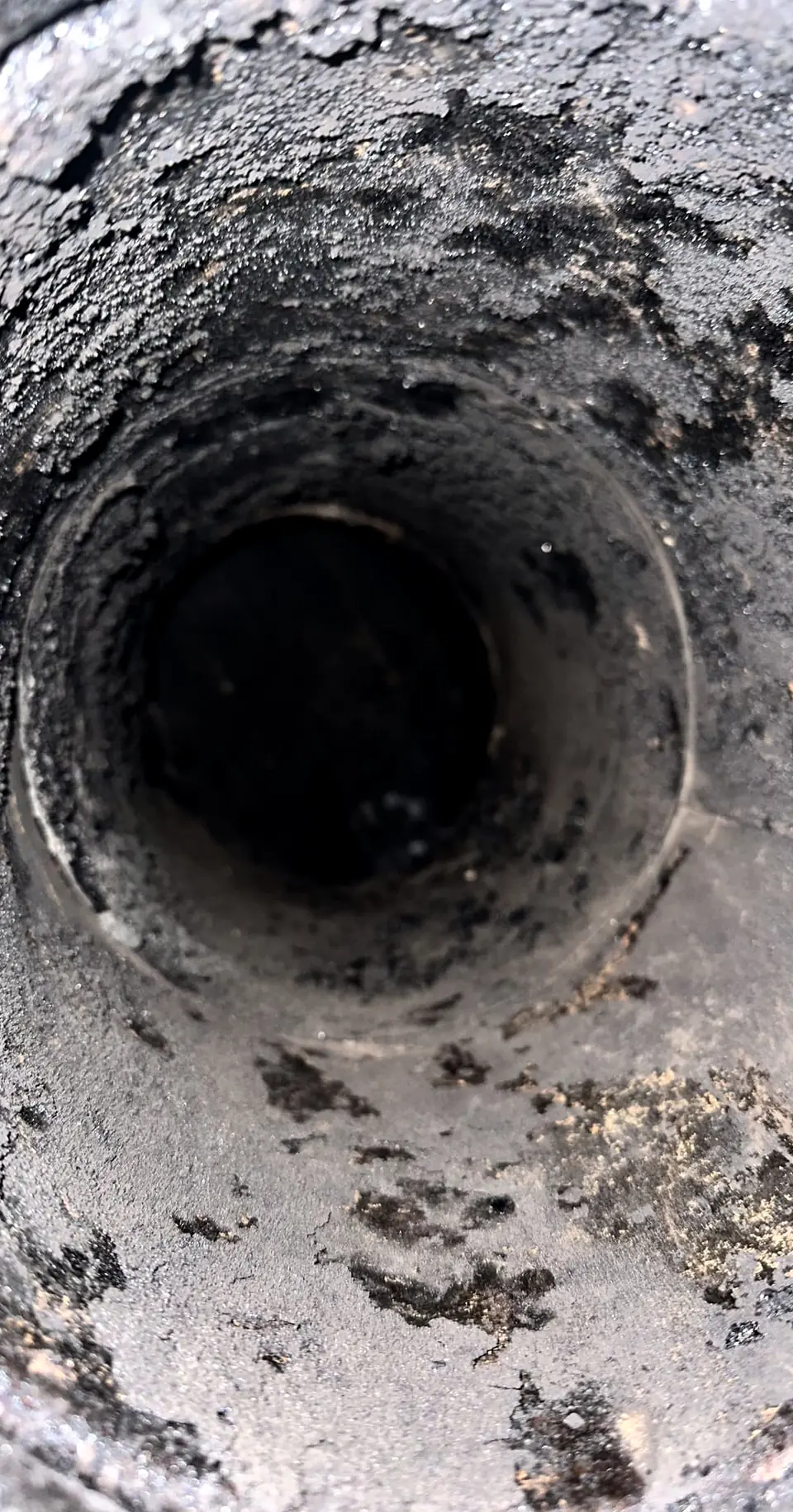
- Heavy or hardened creosote — A thick, shiny deposit can take more effort to remove than loose soot. A sweep should assess the deposit rather than treat every flue as a quick brush-through.
- A blocked flue — Leaves, nesting material, or other debris can restrict the passage. Do not reach into the chimney or light a fire to try to clear it; have the obstruction assessed.
- Difficult access — The fireplace opening, chimney layout, and access to the flue affect how equipment is positioned and used. Clear the hearth area so the sweep can reach the fireplace.
- Visible damage or water signs — Cracked masonry, a damaged liner, or staining near the fireplace may require an inspection or repair in addition to cleaning. Report the location and what you have observed.
What Happens During a Typical Chimney Sweep?
A professional cleaning generally moves from checking the fireplace and flue to removing deposits and reviewing the result. The exact work depends on the chimney and what the sweep finds. For a more detailed look at the cleaning process, read how a chimney is swept.
- Check the fireplace and appliance — The sweep looks at the firebox, damper, and opening for visible debris or damage. Tell them whether you use a wood-burning fireplace, stove, or another appliance.
- Protect the hearth area — A drop cloth or similar covering helps contain soot around the fireplace. Move loose items away from the hearth before the visit.
- Access the flue — The sweep checks the route into the flue and positions cleaning equipment at an appropriate access point. The chimney layout and any obstruction can affect this step.
- Brush the flue — A chimney brush and extension rods loosen soot and creosote from the flue walls. The brush must suit the flue so it can clean without damaging the lining.
- Collect loosened deposits — A suitable vacuum or collection method helps control debris as it comes down into the fireplace. The sweep checks the work area for soot escaping past the protection.
- Review the firebox and visible parts — The sweep checks the accessible areas for remaining debris and visible concerns. A cleaning does not replace a separate inspection of concealed areas.
- Confirm the next step — The sweep should explain whether the flue is cleaned or whether a blockage, damage, or other concern needs attention. Ask what was found and which service addresses it.
Need help now? (612) 806-0154
Should You Book a Sweep, an Inspection, or a Repair?
Choose the service based on what you need answered. Cleaning removes deposits; an inspection evaluates the chimney’s condition; repair addresses a known defect.
Choose a chimney sweep for soot or creosote
Book a chimney sweep service when the goal is to remove combustion deposits from the flue. Tell the sweep about smoke entering the room, buildup you can see, or a long gap since the last cleaning.
Choose an inspection when condition is the question
An inspection is the better fit when you need the chimney evaluated, such as before using a fireplace with an unknown service history or after a change to the appliance. The CSIA’s Level 2 guidance calls for a video scan in specified situations, including an appliance change, sale, relining, or a fire or weather event.
Choose repair service for a known defect
Cracked masonry, a damaged liner, or a leak calls for a repair assessment rather than assuming cleaning will fix the problem. Describe the visible sign and location when you book.
What Signs Mean You Should Stop and Arrange an Inspection?
Do not treat unusual smoke or visible damage as a routine cleaning issue. Stop using the fireplace until the concern has been assessed if you see damage or suspect the flue is blocked.
- Smoke spilling into the room — Smoke that does not rise properly can point to a draft, blockage, or other venting problem. Stop using the fireplace and arrange an evaluation before lighting another fire.
- A shiny, tar-like coating — This can indicate hardened creosote that a basic brush may not remove easily. Have a sweep assess it instead of scraping or applying a household chemical.
- Cracks, loose masonry, or water staining — These signs can point to a condition beyond soot buildup. Photograph the area from a safe place and share what you observed when scheduling an inspection or repair assessment.
- A blocked or damaged flue — Do not climb onto the roof or push objects into the chimney to clear it. A chimney sweep can check the flue and identify whether cleaning, inspection, or repair is appropriate.
How Can You Keep the Chimney Sweep Visit Focused?
Let the fire and ashes cool completely before the visit, and keep the hearth clear of furniture, tools, and decorations. Make a short note of smoke problems, odors, debris, or water marks so you can point out where and when they occur.
Share the appliance type and any recent change to the fireplace or chimney. That context helps distinguish a cleaning request from a need for a closer inspection. If your main question is price, see how much a chimney sweep costs and what can affect the work.
Need help now? (612) 806-0154
How Do You Arrange a Chimney Sweep Visit?
To book, call MN Chimney Sweep at (612) 806-0154 or use the contact form. Share your address, fireplace or appliance type, and the reason for the cleaning so the team can understand the request before the visit.
MN Chimney Sweep serves Minneapolis, St. Paul, and towns across the Twin Cities metro area within 50 miles. Same-day service is available, and chimney cleaning starts at $89. Garrett Sullivan, the owner, has 16 years of experience with chimneys and fireplaces; the company explains the work and recommends only services a homeowner needs.
Frequently asked questions
Can a chimney sweep take longer if my fireplace has not been cleaned in years?
Yes. Heavy creosote, a blockage, or difficult access can add work compared with light deposits in an accessible flue. Tell the sweep how long it has been since the last cleaning and mention any smoke or draft problems.
Does a chimney sweep include a full chimney inspection?
Cleaning removes soot and creosote, while an inspection evaluates the chimney’s condition. Ask for the service you need when booking; a cleaning alone does not mean concealed parts were fully inspected.
Should I use my fireplace before the sweep arrives?
Do not use the fireplace while you are waiting for service if you have noticed smoke entering the room, a blockage, or visible damage. For a routine cleaning, let any fire and ashes cool completely before the visit.
Can I sweep my chimney myself?
A homeowner can clear the hearth and note visible concerns, but working inside a flue can involve roof access, soot exposure, and deposits that need the right brush and method. Arrange a professional sweep if there is hardened creosote, an obstruction, damage, or a smoke problem.
Arrange Your Chimney Sweep
Call (612) 806-0154 or use the contact form to book a visit and describe what you have noticed.