
How Is a Chimney Swept?
A chimney is swept by brushing soot and creosote from the flue, then checking the fireplace and accessible chimney parts for deposits or damage. Leave roof and flue work to a professional; use the steps below to understand the process and decide what to book.
Need help now? (612) 806-0154
Why a Chimney Sweep Removes More Than Visible Soot
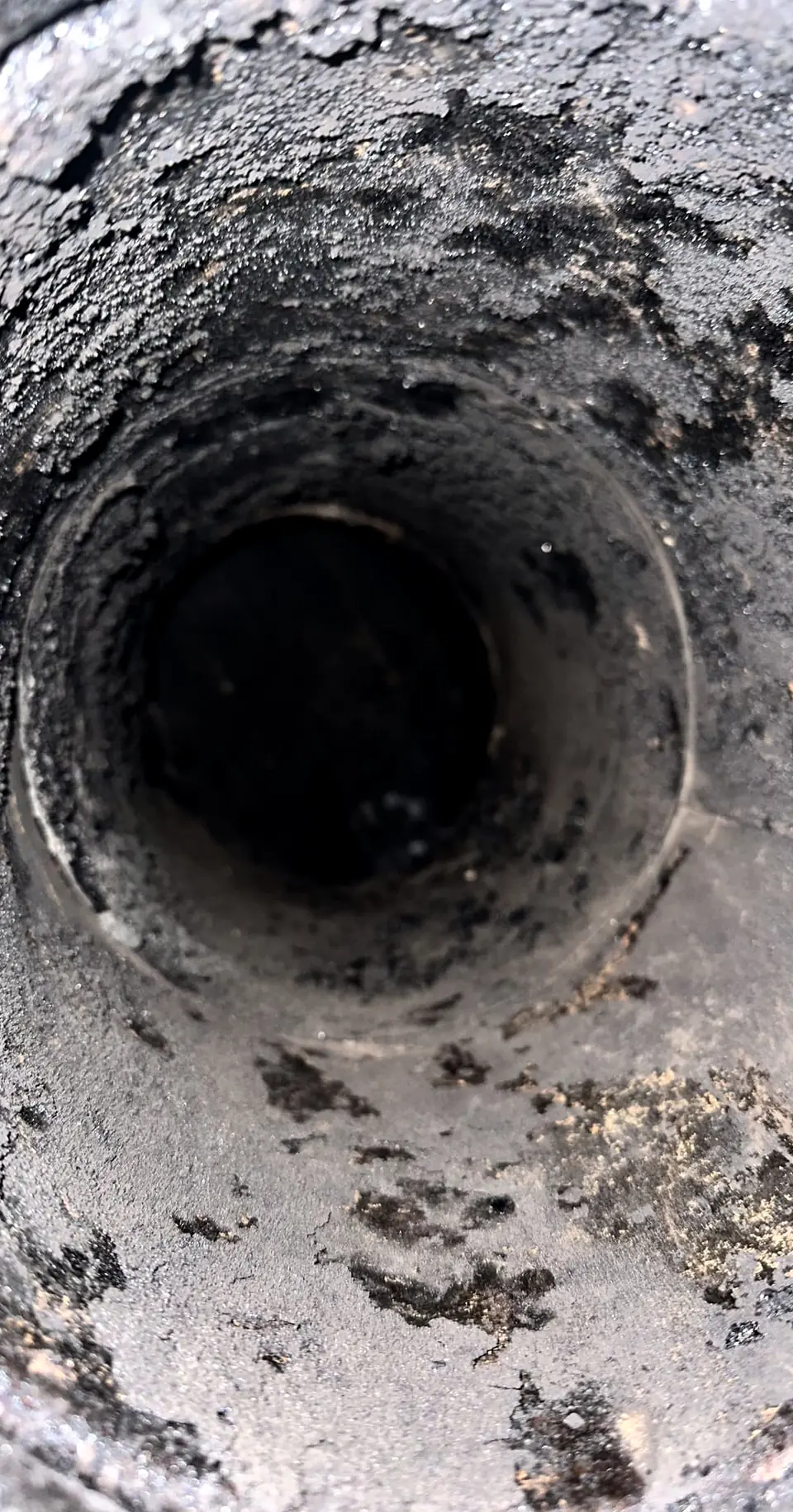
A fire leaves ash and soot, while burning wood can also create creosote—a tar-like deposit that builds up inside the flue. The fireplace opening may look clean even when deposits remain higher in the chimney, where you cannot see them from the room.
A chimney sweep cleans the smoke path rather than just the hearth. The goal is to remove combustible residue and identify conditions such as damaged or blocked parts that need attention before you use the fireplace again. The CSIA homeowner resources explain creosote removal and common chimney questions.
A sweep is different from a chimney inspection. Cleaning removes deposits; an inspection looks for problems with the chimney and fireplace. A sweep may recommend a separate inspection or repair if the visible condition points to a concern.
How to Sweep a Chimney: The Professional Sequence
The steps below describe a typical professional cleaning process, not a recommendation to climb onto your roof or clean inside a flue yourself. Keep your checks to the fireplace opening and other areas you can reach safely.
- Protect the room — A sweep places a drop cloth around the fireplace and contains the work area. Check that furniture and nearby items are clear of the hearth before the cleaning begins.
- Look at the firebox — The firebox, damper and visible smoke chamber are checked for loose debris or obvious damage. Note cracked parts, a damper that will not move, or debris falling into the fireplace.
- Check the flue opening — A flashlight helps reveal deposits and obstructions at the accessible opening. A view from below does not show the full chimney, so it cannot replace a professional examination of the flue.
- Choose a brush that fits — A chimney brush is selected to fit the flue shape and size; rods connect to extend its reach. A brush that does not fit the flue properly may miss deposits or damage a liner.
- Brush the flue — The sweep works the brush through the flue to loosen soot and creosote. After brushing, the sweep checks accessible surfaces for remaining buildup rather than assuming one pass cleaned every area.
- Collect loosened material — A vacuum and containment equipment collect the debris brought down into the work area. Check that ash and loose soot are removed from the hearth and firebox when the cleanup is complete.
- Recheck the fireplace parts — The damper and accessible firebox areas are checked again after cleaning. A stuck damper, damaged masonry or continuing smoke problem calls for further evaluation, not more brushing alone.
- Review what was found — Ask the sweep to show you any concern and explain whether it calls for cleaning, inspection or repair. A clear explanation helps you avoid paying for work that is not needed.
Which Chimney Cleaning Option Fits Your Situation?
Choose the next step based on what you can see and how the fireplace is working. A homeowner’s visual check can identify a reason to stop using the fireplace, but it cannot confirm the condition of the full flue.
Visible hearth debris
Ash on the firebox floor can be removed with routine fireplace care once everything is fully cool. That does not remove creosote higher in the flue, so it is not a substitute for a chimney sweep.
Soot or creosote in the flue
Book a professional chimney sweep when you see deposits at the accessible flue opening or need the smoke path cleaned. A professional uses a flue-sized brush and checks for material left behind.
Damage, blockage or a persistent draft problem
Ask about an inspection rather than treating the issue as a cleaning-only job. A damaged liner, blocked flue or damper problem needs evaluation to identify the cause and the appropriate repair.
A gas fireplace or gas appliance
Do not assume a gas appliance has no chimney or venting that needs attention. The appliance and vent arrangement matter; ask for the correct service rather than applying a wood-burning sweep method.
Need help now? (612) 806-0154
Signs Your Chimney Needs a Sweep Instead of a DIY Fix
Do not climb onto the roof or push tools into the flue to investigate a problem. Call a chimney sweep when a condition is beyond a safe visual check; you can book a chimney sweep service for cleaning and a clear explanation of the work recommended.
- Dark, flaky or tar-like deposits — These may be soot or creosote on the accessible flue surfaces. Avoid scraping inside the flue yourself; ask a sweep to assess and remove the buildup.
- Smoke spilling into the room — Smoke that enters the room instead of rising through the chimney can point to a draft or blockage problem. Stop using the fireplace and arrange an evaluation before lighting another fire.
- Debris or an unexpected obstruction — Material in the firebox or a blocked-looking flue can interfere with the smoke path. Do not reach into an unseen passage; have the chimney checked.
- A damper that sticks or will not close — A damper that does not move normally may need attention beyond cleaning. Do not force it, since that can worsen damage or leave the flue in the wrong position.
- Cracks or loose masonry at the opening — Visible damage is a reason to stop using the fireplace until the chimney is assessed. Sweeping removes deposits but does not repair masonry or a liner.
What Chimney Sweeping Can—and Cannot—Fix
Sweeping removes soot and creosote from the flue; it does not restore a damaged chimney, correct a leak or repair a faulty damper. When a sweep finds a separate issue, ask what part is affected and why cleaning alone will not address it.
A video inspection can help assess areas that are not visible from the fireplace opening. The CSIA’s guidance for Level 2 masonry chimney inspections describes situations where a video scan is required, including certain changes to an appliance or chimney. An inspection is a different service from routine sweeping.
If smoke continues to enter the room after cleaning, do not keep testing the fireplace with repeated fires. A continuing symptom points to a problem that needs evaluation, not another attempt to brush away deposits.
How to Book a Chimney Sweep and Prepare for the Visit
When you book, describe whether you have a wood-burning fireplace, a stove or a gas appliance, and tell the sweep what you noticed: deposits, smoke entering the room, a stuck damper or visible damage. That detail helps identify whether you are asking for cleaning, inspection or another service.
MN Chimney Sweep’s chimney cleaning starts from $89. Garrett Sullivan, the owner, has 16 years of experience with chimneys and fireplaces; the company explains the work clearly and recommends only services a homeowner needs.
Before the visit, let the fireplace and ashes cool completely, move breakable items away from the hearth and avoid lighting another fire if you have noticed smoke or a suspected blockage. To arrange service, call (612) 806-0154 or use contact us. Same-day service is available.
Need help now? (612) 806-0154
Frequently asked questions
Can I sweep my own chimney?
You can remove fully cooled ash from the firebox, but that does not clean the full flue. Leave roof access and flue brushing to a professional, especially if you see deposits, damage or an obstruction.
What does a chimney sweep remove?
A sweep removes soot and creosote from the chimney’s smoke path and collects the loosened material. Cleaning does not repair a damaged liner, masonry or damper.
Does a gas fireplace chimney need sweeping?
Gas appliances use different venting arrangements, so do not assume a wood-burning chimney brush is the right service. Ask for service that matches your gas fireplace and its vent system; the CSIA homeowner resource also covers gas chimneys.
How much does chimney cleaning cost?
MN Chimney Sweep chimney cleaning starts from $89. The company explains the work clearly and recommends only services a homeowner needs.
Ready to Book a Chimney Sweep?
Call MN Chimney Sweep at (612) 806-0154 to arrange chimney cleaning or ask about the right service for what you have noticed.